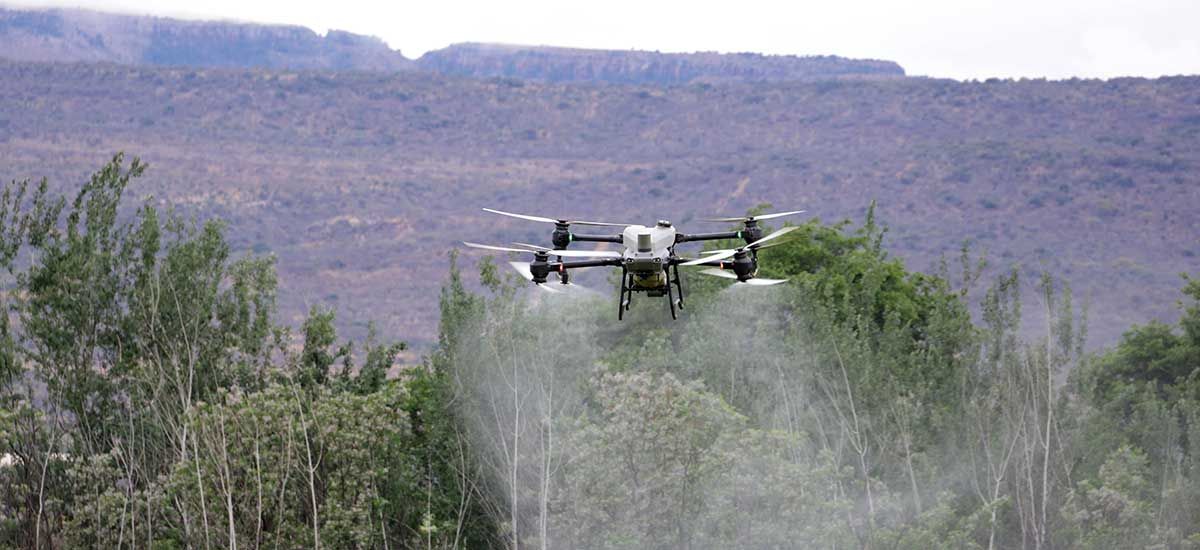
Career Paths in Pest Control Automationx
Posted 04/23/26
Career Paths in Pest Control Automation
The pest control industry is evolving as technology changes how services are delivered. Automation, smart monitoring systems, and data-driven decision-making are reshaping traditional roles and creating new career opportunities. For job seekers, this shift represents a chance to enter a more dynamic and future-focused version of the industry.
The Evolution of Pest Control Practices
Traditional pest control has relied on manual inspections and scheduled treatments. Technicians would visit sites regularly, look for signs of pest activity, and apply treatments as needed. While effective, this approach can be time-intensive and sometimes inefficient.
Modern pest control is moving toward a more proactive model. Instead of relying solely on routine visits, companies are using technology to monitor pest activity continuously and respond only when necessary. This shift improves efficiency and reduces unnecessary chemical use.
Technologies driving this change include:
- Smart traps that send alerts when triggered
- Sensors that monitor environmental conditions
- Software platforms that analyze pest activity data
These tools are transforming how work is organized and performed.
New Roles Emerging in the Industry
As automation becomes more widespread, new types of roles are emerging alongside traditional technician positions.
Remote Monitoring Technician
These professionals oversee pest activity through digital platforms, respond to alerts, and coordinate field responses when necessary.
Installation and Systems Specialist
Focused on setting up and maintaining smart pest control equipment, including sensors and connected devices.
Data and Operations Roles
Some companies now employ staff to analyze pest activity data, optimize service schedules, and improve operational efficiency.
Technical Training and Support
With more advanced systems in use, there is growing demand for individuals who can train staff and provide technical support.
These roles often combine practical field knowledge with technical skills, creating opportunities for career diversification.
Skills Required for Automation-Focused Careers
The rise of automation is changing the skill set required in pest control. In addition to traditional knowledge, employers increasingly value:
- Familiarity with digital tools and mobile applications
- Basic understanding of connected devices and troubleshooting
- Ability to interpret and use data effectively
- Strong communication skills
Technicians who develop these skills are better positioned to take advantage of new opportunities.
How Traditional Roles Are Changing
Automation is not replacing technicians—it is changing how they work. Instead of following fixed schedules, technicians may now:
- Respond to real-time alerts
- Focus on targeted treatments
- Spend more time on complex problem-solving
This makes the role more efficient and often more engaging, but it also requires adaptability and continuous learning.
Career Progression in a Technology-Driven Environment
Automation is creating clearer and more varied career pathways within the pest control industry. A typical progression might include:
- Entry-level technician
- Experienced technician with exposure to technology
- Specialist or technical lead
- Operations or systems manager
Some individuals may move into roles focused entirely on technology implementation or data analysis.
This diversification allows for long-term career growth beyond physically demanding fieldwork.
Benefits of Automation for Workers
Automation offers several advantages for those working in pest control:
- Reduced need for repetitive inspections
- Increased focus on skilled tasks
- Opportunities to develop technical expertise
- Potential for higher earnings
Technicians who embrace technology often find themselves in higher-value roles within their organizations.
Challenges and Transition Periods
The transition to automation is not without challenges. Companies must invest in new systems and training, and not all employees adapt at the same pace.
There may be a period where traditional and automated methods are used together, requiring flexibility and patience. Job seekers should be prepared to learn continuously and adapt to new tools and processes.
Why Job Seekers Should Pay Attention
For those entering the industry, understanding automation trends can provide a significant advantage. Employers increasingly look for candidates who:
- Are open to learning new technologies
- Show initiative in developing new skills
- Understand the direction of the industry
Positioning yourself as adaptable and forward-thinking can make you stand out in a competitive job market.
The Future of Pest Control Careers
Automation is expected to continue shaping the pest control industry in the coming years. While traditional technician roles will remain essential, they will increasingly be supported by technology.
This creates a hybrid model where practical skills and technical knowledge work together. Individuals who can operate effectively in both areas will be best positioned for long-term success.
Final Thoughts
Pest control is no longer just a manual trade. It is becoming a more sophisticated and technology-driven industry with expanding career possibilities. For job seekers willing to adapt and develop new skills, automation offers a pathway to more varied, stable, and rewarding careers.